Peptide Basics
New to peptides? Start here to learn what peptides are, how they work, and why they are important in modern science and health research.
Explore More

Educational articles on peptides, their science, applications, safety, and emerging research explained simply.
Free Peptide Reconstitution Calculator
Convert vial mg, diluent mL, and target mcg into U-100 syringe units.
Learn about peptides from basics to advanced research.
New to peptides? Start here to learn what peptides are, how they work, and why they are important in modern science and health research.
Explore MoreWe explore how peptides are studied, synthesized, and analyzed in research settings, breaking down complex science into easy-to-understand educational content.
Explore moreStay updated with emerging peptide research, comparisons, and trends shaping the future of biotechnology and wellness science.
Explore ArticlesAll peptide content on ViralPeptides.com is for educational purposes only. We focus on research, safety considerations, and responsible information sharing.
Read Guides
ViralPeptides.com provides educational, research-based content that explains peptide science through modern studies and laboratory research. We simplify complex topics to help readers understand how peptides are researched, analyzed, and discussed in scientific literature.
Education and research clarity are essential when exploring peptide science.
Explore MoreViral Peptides
Independent writers and reviewers focused on research interpretation, not medical advice or product promotion.
Meet the teamAll peptide content on Viral Peptides is for educational purposes only. We focus on research, safety considerations, and responsible information sharing.
Check out our newest posts based on recent research.
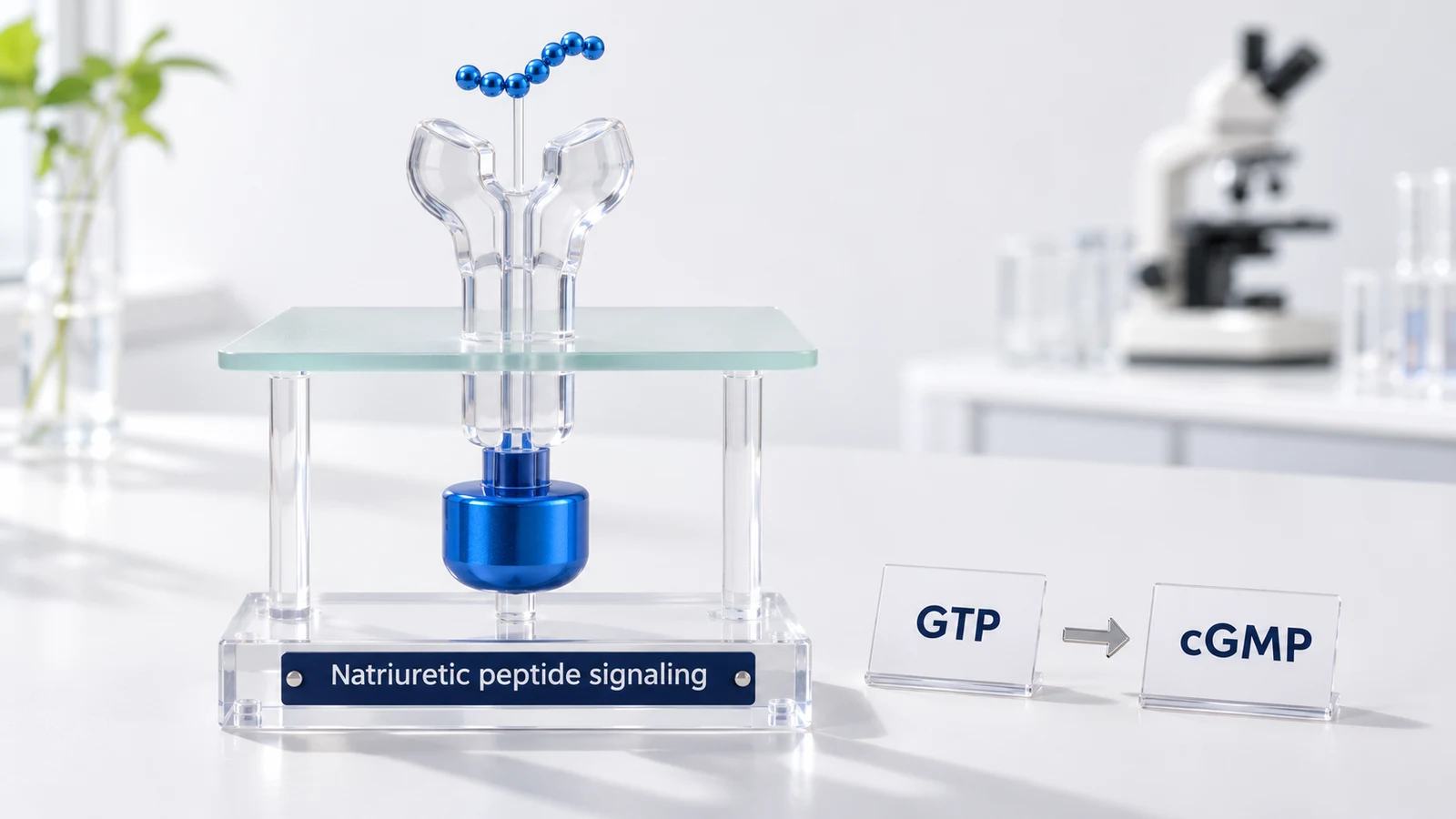
Understand ANP, BNP, and CNP receptor signaling, how cGMP differs from cAMP, and why receptor identity, sensor location, and PDE conditions matter when reading peptide research.
Learn More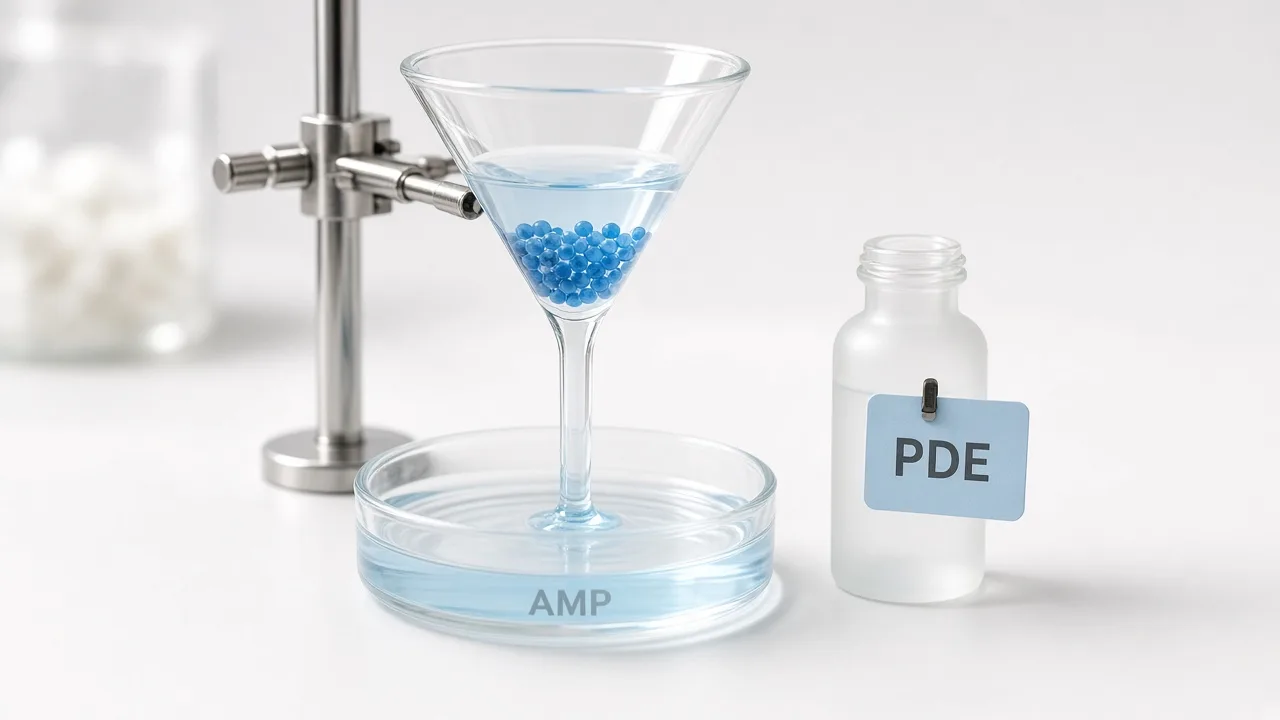
Learn how phosphodiesterases (PDEs) shape peptide receptor cAMP results: family diversity, local messenger sinks, what PDE inhibitors change in an assay, and how to interpret compartment claims without overclaiming human benefit.
Learn More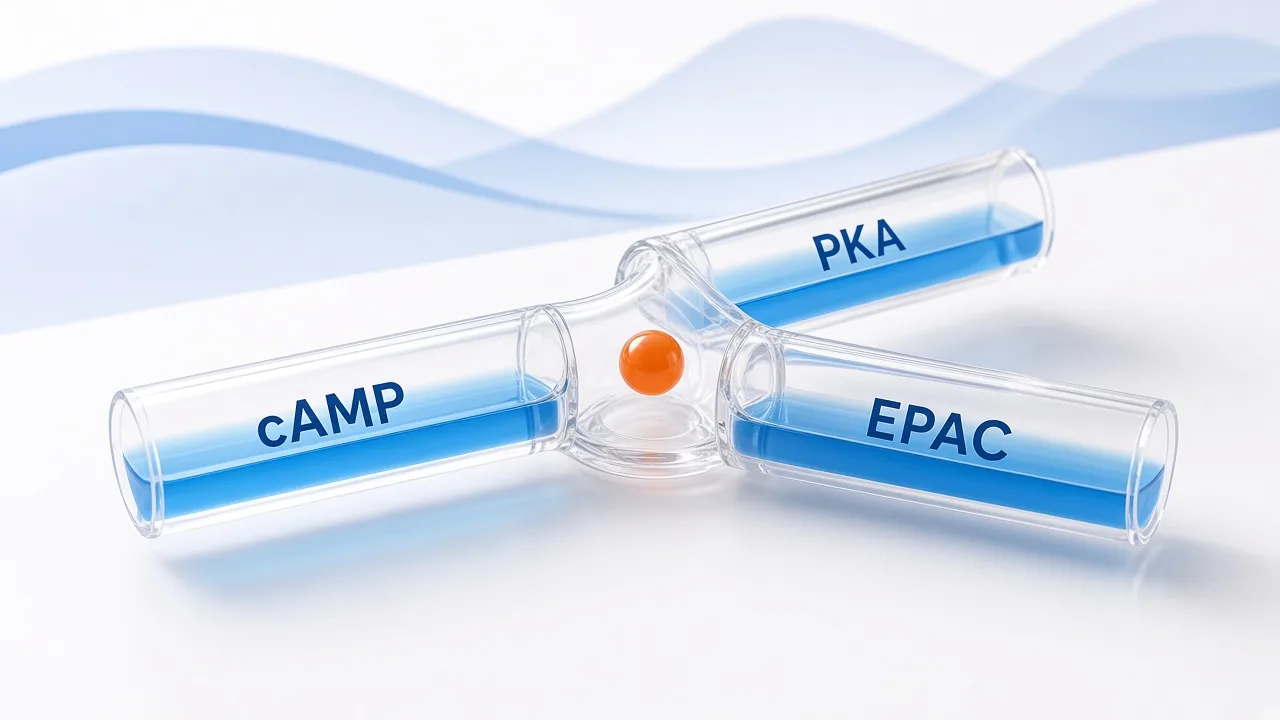
Learn how cAMP can act through PKA and EPAC in peptide receptor research: what each effector measures, how selective tools help, why localization matters, and how to interpret pathway claims without overclaiming human benefit.
Learn More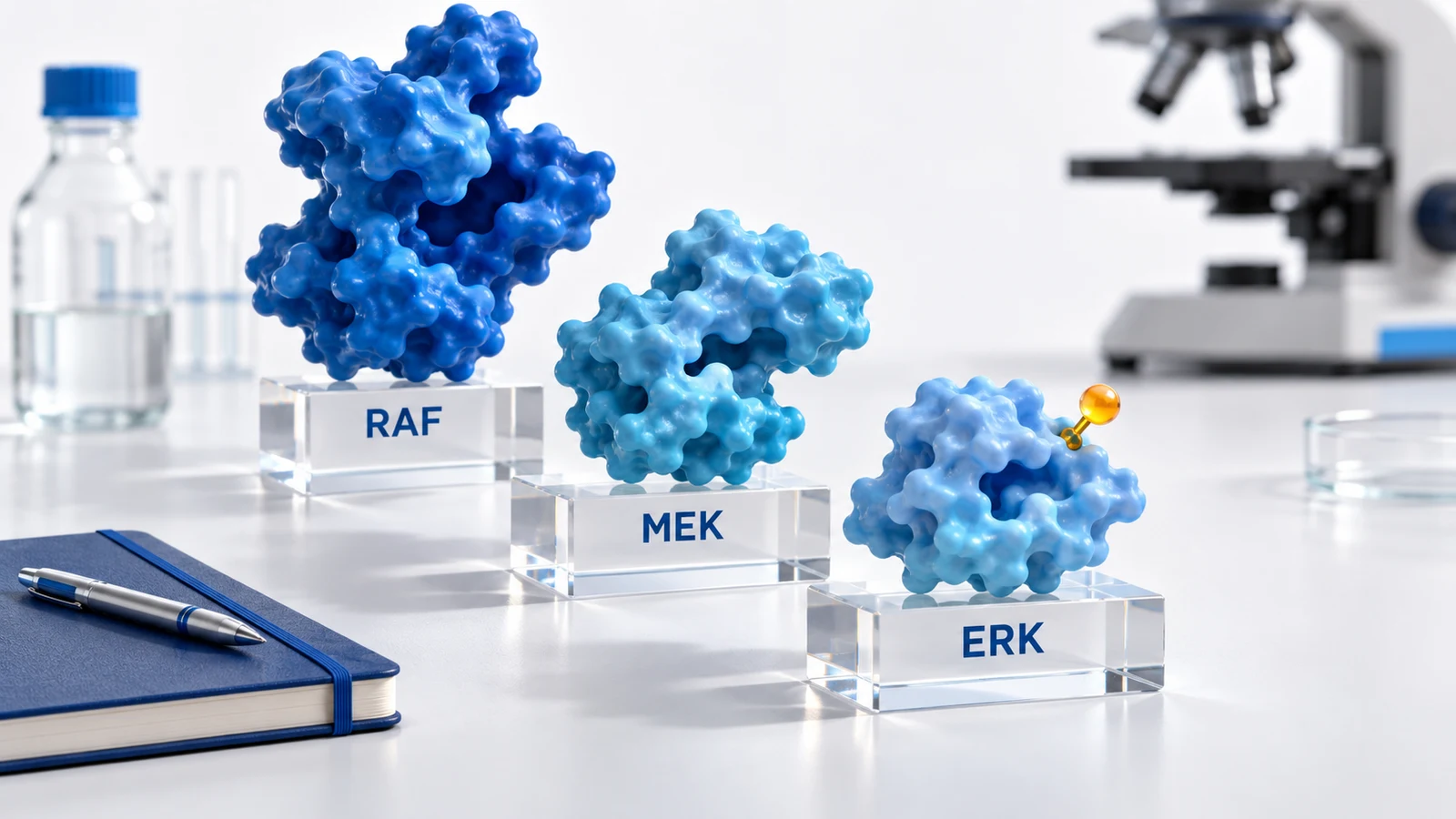
Understand ERK1/2 phosphorylation, total ERK, time courses, and pathway evidence, with GLP-1 research examples and a practical guide to interpreting peptide signaling assays.
Learn More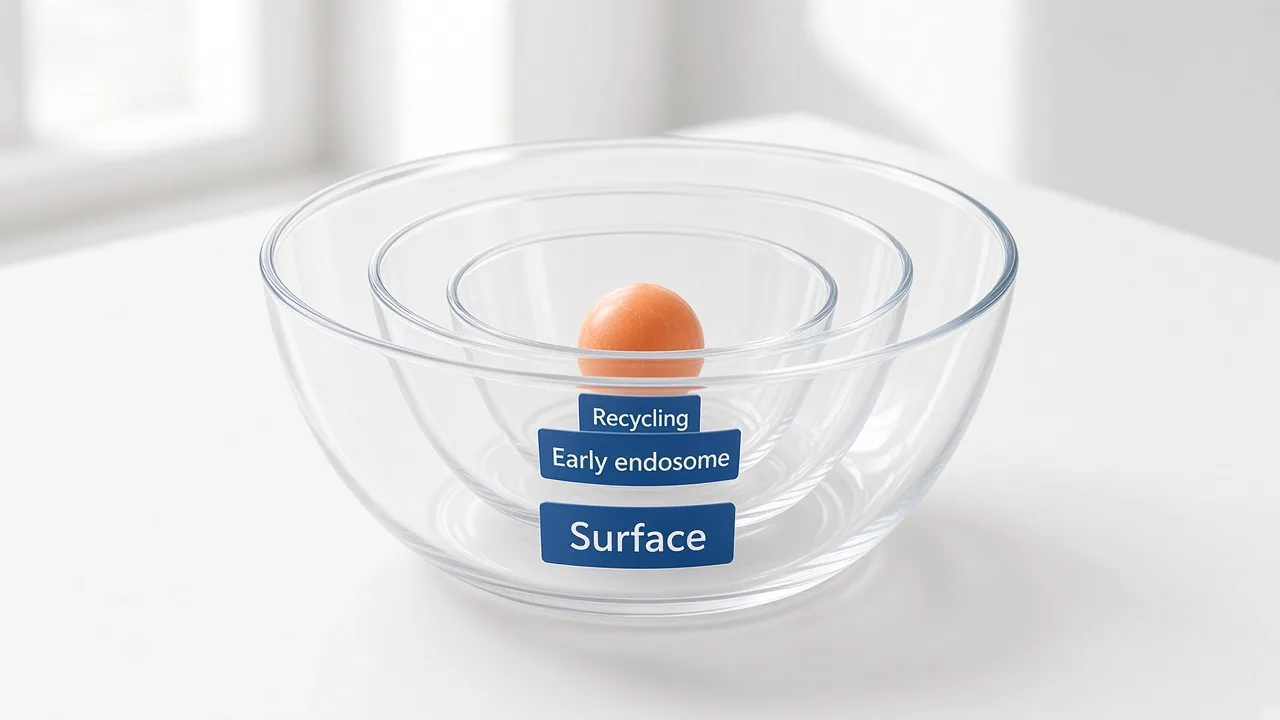
Learn what endosomal GPCR signaling means in peptide research: when internalization is not an off switch, what location versus activity evidence can show, how PTH and GLP-1 examples teach the distinction, and how to read sustained intracellular claims without overclaiming human benefit.
Learn More
Learn what beta-arrestin peptide receptor assays measure: recruitment, internalization links, signaling scaffolds, how those readouts differ from G-protein assays, and how to interpret arrestin results without overclaiming human benefit.
Learn MoreViralPeptides.com delivers research-based, educational content focused on peptide science, safety, and clarity.
Our articles are based on published studies, scientific literature, and established research methods in peptide science.
We focus on clarity and accuracy, explaining peptide topics without exaggeration, promotion, or misleading claims.
Content is written and reviewed with an educational-first approach, designed for beginners and advanced readers alike.
We emphasize responsible information sharing and include clear educational disclaimers across all peptide-related content.
Explore recent peptide-related research topics, laboratory methods, and scientific insights discussed in published studies and academic literature.

A clear peptide definition: short amino-acid chains linked by peptide bonds, plus how researchers classify them without lifestyle hype.
What benzyl alcohol does as the preservative in bacteriostatic water, and which safety claims that labeling does not support.
CagriSema versus cagrilintide status literacy: NDA filing is not approval, and trial headlines are not finished-product labels.
ViralPeptides.com is an independent educational platform focused on explaining peptide science clearly and responsibly.
Our content is created to help readers understand research, terminology, and scientific context without promotion or medical claims.
View All Articles
Research-Driven & Educational
Clear, research-based education is essential when exploring complex topics like peptide science. Our goal is to explain what research shows accurately, transparently, and without hype.
Viral Peptides
Editorial Team
All articles reference publicly available studies, academic literature, and established scientific research relevant to peptide science.
We focus on explaining peptide topics in a neutral, easy-to-understand way, avoiding exaggeration, marketing language, or unsupported claims.
Content is provided strictly for educational purposes. We emphasize context, limitations, and responsible information sharing across all topics.
All articles reference publicly available studies, academic literature, and established scientific research relevant to peptide science.
ViralPeptides.com is maintained by a multidisciplinary team focused on scientific research review, educational writing, and content accuracy within peptide-related topics.
Content & Research Lead
Ph.D. in Molecular Biology. Oversees all clinical data translation and editorial integrity.

Scientific Analyst
M.S. in Biochemistry. Specializes in peptide synthesis pathways and bioavailability studies.

Scientific Content Support
Pharm.D. candidate. Ensures all content aligns with current pharmacological guidelines.
Team roles focus on research interpretation and educational content development. Team members do not provide medical advice.
Content is provided strictly for educational purposes. We emphasize context, limitations, and responsible information sharing across all topics. Team members do not provide medical advice. All articles reference publicly available studies, academic literature, and established scientific research.